
Jensen Huangがあなたの技術をGTCのメインステージに載せたとき、何かが変わったということです。段階的にではなく — 根本的に。
まさにそれが先週、NVIDIAがGTC年次基調講演でvkSplatting 2026.1をフィーチャーしたときにGaussian Splattingに起きたことです。VulkanベースのGaussian Splattingリファレンス実装 — オープンソース、Apache 2.0ライセンス、NVIDIAが保守 — が過去最大のアップデートを受けました。そのタイミングがすべてを物語っています:3Dキャプチャ業界は新たな時代に突入しています。
何が変わったのか、なぜ重要なのか、そして今日すでにGaussian Splatsで作業している場合に何を意味するのかをご紹介します。
vkSplattingとは何か、NVIDIAはなぜ注目するのか?
vkSplatting(Vulkan Gaussian Splatting)は、最新のGPUハードウェアでGaussian Splatsをレンダリングするための、NVIDIAの公式リファレンス実装です。NVIDIAが最新のGPUレンダリングアプローチ — ラスタライゼーション、レイトレーシング、ハイブリッド技術 — を3DGSシーンに特化してテストし公開するための試験場と考えてください。
これはコンシューマー製品ではありません。技術的基盤です。研究論文で引用され、ゲームエンジン開発者にフォークされ、最終的に日常的に使うソフトウェアのレンダリングパイプラインに組み込まれるタイプのものです。
GTCの基調講演 — AI、ロボティクス、データセンターの発表と並んで — に登場したという事実は、明確なシグナルです。NVIDIAは次世代の空間コンピューティングのコアレンダリングプリミティブとして、Gaussian Splattingに賭けています。
vkSplatting 2026.1の新機能
マルチインスタンスシーンアーキテクチャ
このリリースで最も重要なアーキテクチャの変更は、マルチインスタンススプラットセットアーキテクチャの導入です。以前のバージョンでは、シーンは基本的に1つのフラット化されたスプラットデータセットでした — シーン内のすべてのGaussianを1つの統合された塊として処理する必要がありました。
2026.1では、スプラットをグローバルインデックステーブルと統合ソートを使って、インスタンス化、インデックス化、シーン全体で再利用できます。ゲームエンジンがメッシュインスタンスを処理する方法と同様です:アセットを1つ作成し、データを複製せずに異なる位置で複数回参照します。
これは大規模シーンにとって大きな意味があります。同じ窓枠が500回登場する街区では、もうメモリ内にそれらのGaussianのコピーを500個持つ必要がありません。一度定義すれば、レンダラーが残りを処理します。
レイトレースシャドウ + DLSS Ray Reconstruction
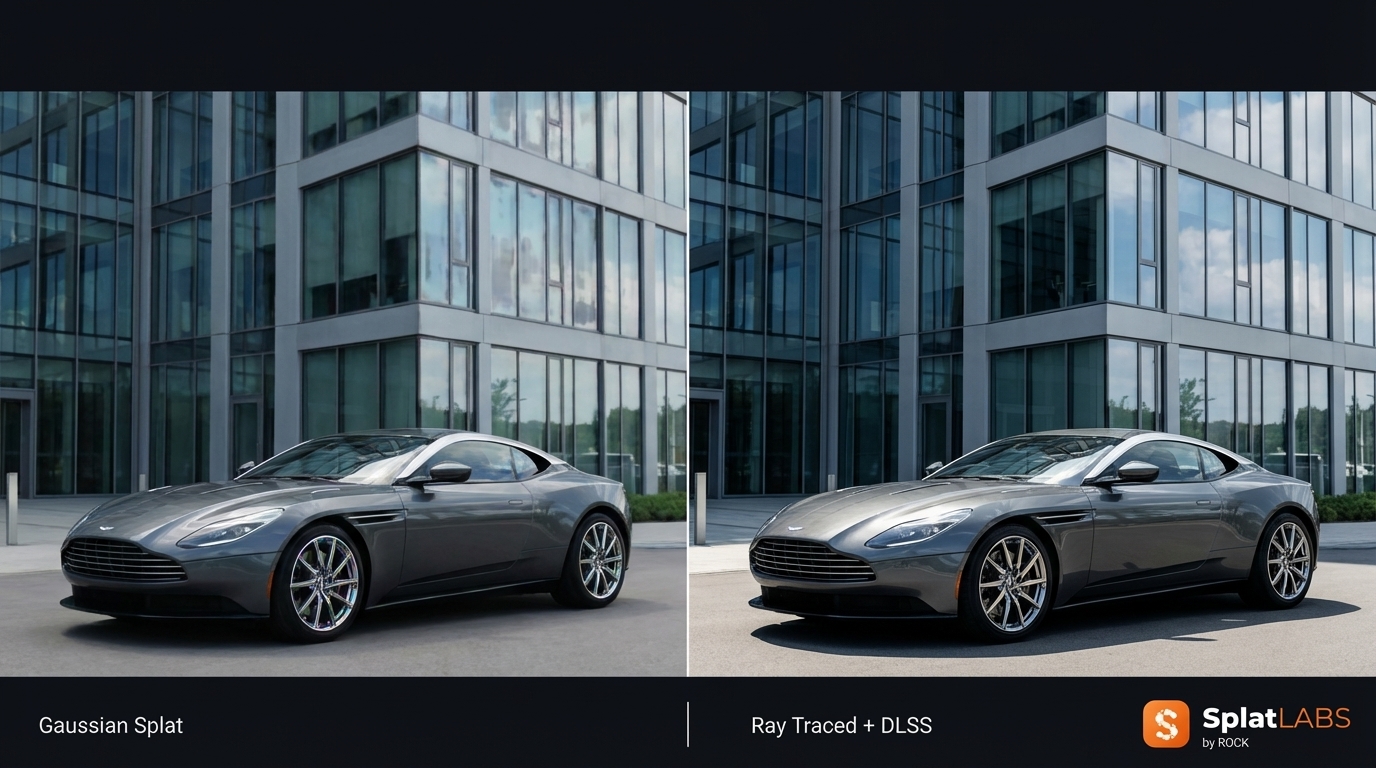
vkSplatting 2026.1は、レイトレースシャドウとDLSS Ray Reconstruction — リアルタイムレイトレーシングに固有のノイズをクリーンアップするNVIDIAのAI技術 — も導入しています。
Gaussian Splattingは歴史的にシャドウに苦戦してきました。スプラット表現は自然に光の方向をエンコードしないため、シャドウはキャプチャされた色にベイクされるか(照明が変わると不自然に見える)、単純に存在しませんでした。レイトレースシャドウはレンダラーレベルでこれを解決し、Gaussianシーン全体にリアルタイムで正確な動的シャドウを投影します。
DLSS Ray Reconstructionが結果をアップスケールしてデノイズし、複雑なシーンでも高いフレームレートを維持します。この組み合わせにより、Gaussian Splattingは従来のメッシュベースパイプラインとのフォトリアリスティックなリアルタイムレンダリングの同等性に大きく近づきます。
集中型バインドレスアセットシステム
内部的には、ルートシーン構造を持つ集中型バインドレスアセットシステムが導入されました。これはGPU上のアセットをより効率的に管理するためのGPUアーキテクチャ用語です — 各テクスチャやバッファを個別にバインドする(関連するオーバーヘッド付き)代わりに、GPUが中央テーブルにアクセスします。シーンの読み込みが速くなり、メモリ使用量がより予測可能になり、レンダリングパイプラインがプロフェッショナルコンテンツへのスケーリングに適した位置に置かれます。
これは見出しを飾らないタイプのインフラ変更ですが、すべてをスケールで可能にするものです。
エンタープライズ検証の瞬間
GTC基調講演への登場の意味は技術的なものだけではありません。より広い技術業界へのシグナルです。
エンタープライズソフトウェアベンダー、クラウドプラットフォーム、ゲームエンジン開発者、AECツールプロバイダー — 彼らはNVIDIAの基調講演を注意深く見て、どの技術を中心に構築するかを理解しています。Jensen Huangが10,000人の開発者の前に立ち、Gaussian Splattingをレンダリングの未来の一部として見せるとき、ベンダーたちは統合の計画を始めます。
このパターンは他のレンダリング技術でもすでに見てきました。GTCで検証されたものは、12-18ヶ月以内に業界全体で製品化される傾向があります。
今日3Dキャプチャワークフローを構築している方 — 不動産、建設、測量、VFX、デジタルツインアプリケーション — にとって、この瞬間は重要です。インフラは成熟しています。Gaussian Splatsと従来のメッシュベースワークフロー間のレンダリング品質ギャップは急速に縮まっています。
Splat Labsの位置づけ
レンダリングエンジンとホスティングプラットフォームはワークフローの中で異なる役割を果たします。
vkSplattingはGaussianがGPU上でどのようにレンダリングされるかを処理します — 非常に強力で技術的に高度な問題です。しかし、プロフェッショナルにとって重要な隣接する質問には答えません:これをクライアントとどう共有するか?関係者がシーン内で計測するにはどうするか?複数のキャプチャをウォークスルーに統合するには?物件掲載やプロジェクトレポートに埋め込むには?
そこでSplat Labs Cloudの出番です。
Splat LabsはPLY、SPLAT、KSPLAT、XGRIDSフォーマットのGaussian Splatファイルを受け付けます — vkSplattingのようなレンダリングパイプラインに供給するキャプチャ・処理ツールが生成するのと同じフォーマットです。PortalCam、Lixel L2 Pro、Postshot、その他のツールでシーンをキャプチャし、結果のスプラットをSplat Labs Cloudにアップロードすると、即座に以下が得られます:
- ブラウザベースの閲覧 — 閲覧者側にGPU不要
- 精密計測 — 3Dシーン内の距離と面積ツール
- ポータル — 複数のキャプチャをシームレスなウォークスルーにリンク
- 4Dタイムライン — 同じサイトの複数のスキャンを時系列で比較
- AIバーチャルステージング — テキストプロンプトでシーンを変更
- どこにでも埋め込み — 1つのURLがあらゆるスマートフォン、タブレット、デスクトップで動作
レンダリング技術が向上するほど、プロフェッショナルなホスティングとコラボレーションレイヤーの価値が高まります。Gaussian Splatsの品質と業界採用が向上するにつれて(NVIDIAの基調講演がその両方を加速させました)、スプラットをクライアント、関係者、意思決定者の前に届けるワークフローがこれまで以上に重要になります。
今後の注目ポイント
vkSplatting 2026.1はNVIDIAのGitHubでオープンソース(Apache 2.0)として公開されています。開発者や研究者にとっては注視する価値があります — 特にマルチインスタンスアーキテクチャの進化と、レイトレースシャドウがフルグローバルイルミネーションに拡張されるかどうか。
実務者にとって、短期的な影響はよりシンプルです:Gaussian Splatsをキャプチャし処理するために使用するツールは今後も改善を続けます。品質の上限は上がっています。3D空間キャプチャを使って物理世界を記録、プレゼンテーション、コラボレーションしているすべての業界にとって、これは良いニュースです。
まだプロフェッショナルプラットフォームでGaussian Splatプロジェクトをホスティングしていない場合、今がワークフローをセットアップする時です — 品質基準が上がり、クライアントの期待がそれに続く前に。
今日からキャプチャ、ホスティング、共有を始める
Splat Labs Cloudはあらゆるソースからのgaussian Splatsに対応しています。XGRIDS、Postshot、Luma AI、Kiri Engine、その他のツールでキャプチャを処理していても、PLYまたはSPLATファイルはアップロード可能です。
無料アカウントには2プロジェクトが含まれます。有料プランは個人プロフェッショナル向け月額$12からで、チームコラボレーション、カスタムドメイン、SSOを備えたエンタープライズプランまでスケールします。
vkSplatting 2026.1ソース:Radiance Fields — NVIDIA Releases Vulkan Gaussian Splatting 2026.1